A Holistic Approach to Safety, Wellbeing, and Sustainability for Human Rights Defenders
Every day, human rights defenders risk their lives to safeguard the freedoms we often take for granted. They face threats, violence, and relentless pressure simply because they choose to stand on the side of justice. Every year, different NGOs monitor the situation for human rights defenders globally and publish evidence of the attacks they are facing. Yet behind the headlines and statistics are real people - exhausted, targeted, and often left without adequate protection. For many, a safe space to take a break is not a luxury; it is a lifeline. It is the difference between burnout and resilience, between silencing and survival.
Human rights defenders work under constant pressure, facing political hostility, economic hardship, and systemic threats. The risks are severe and growing. Globally, Front Line Defenders reported at least 324 killings across 32 countries in 2024. These are not merely numbers; they reveal great risks and ongoing rights violations. Such realities underscore the urgent need for temporary relocation programs to offer defenders safety and space to continue their work.
Beyond the physical risks, defenders also face severe burnout and psychological strain. The emotional toll of their work is immense: constant exposure to threats and stories of violence can lead to secondary trauma, chronic exhaustion, and deep isolation, especially for those working without strong support systems. Temporary relocation programs help address these often‑invisible harms by offering a protected space for rest, reflection, and psychological support. As one participant from the Oslo as a Breathing Space City (Oslo Breathing Space City) program explained,
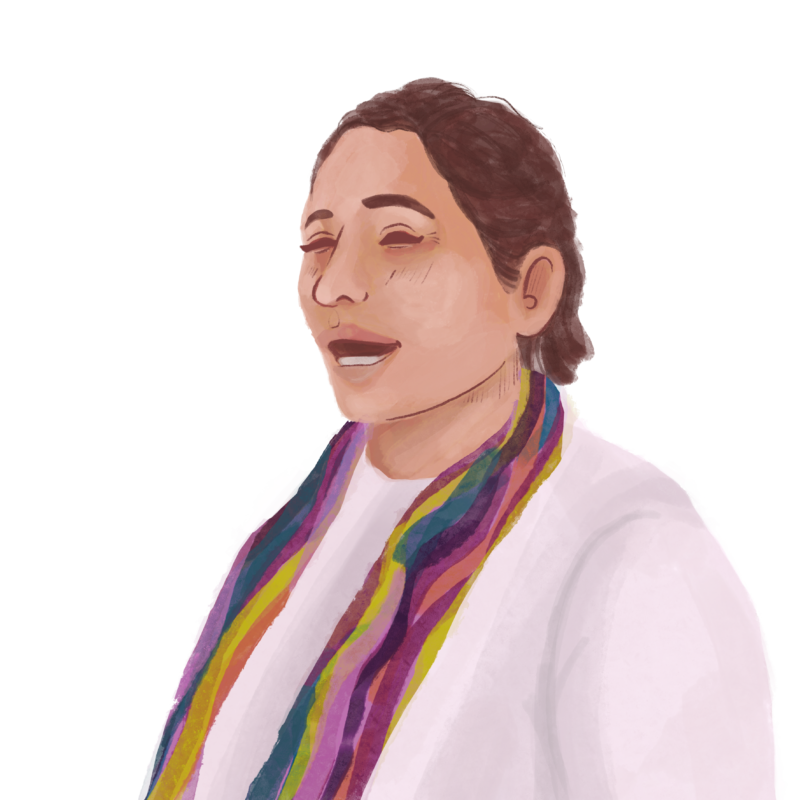
“The learnings related to well-being, stress management, and sustainable engagement have influenced how I interact with colleagues and community members. I have helped normalise conversations around mental health and burnout within my professional circles” Naghma Iqtidar, Pakistani human rights defender and Oslo Breathing Space City guest during Spring 2023.
This is precisely where temporary relocation initiatives play a crucial role. Similar to other rest and respite temporary relocation programmes, Oslo Breathing Space City offer defenders a three‑month stay in Oslo tailored to their individual needs. These initiatives provide psychosocial support, opportunities to connect with other organisations, and a safer environment in which defenders can continue their activism. Importantly, they take a holistic approach to protection, addressing not only immediate security needs but also the emotional, psychological, and relational dimensions of a defender’s wellbeing in the long term. Because of this broader focus, they can create different forms of impact, which are complementary to more traditional protection tools. They not only offer safety but also create the conditions for sustainable, long‑term resilience.
Through temporary relocation at a safe space, the defenders can take a breath from their daily struggles, recharge, and return to their home countries with stronger networks and renewed energy. As one participant shared:

“I would summarise my programme experience as exactly what I needed to take a break from all my usual responsibilities and live my life differently. This space helped me not only to breathe, but to exhale first and realise that I cannot be effective when exhausted.” Stanislava, Ukrainian human rights defender and Oslo Breathing Space City guest during Autumn 2024
Finally, the impacts of supporting individual human rights defenders with a holistic and long-term approach can have great benefits for their organisations, movements and communities at home, as the learnings and networks on an individual level can lead to concrete initiatives that are positive for many people or be passed on to colleagues and ultimately impact the organisational or community resilience. Some examples have been shared by previous participants of Breathing Space City:

“After returning home, I felt restored not only physically but also emotionally. This allowed me to return with renewed vigor to my core work as the head of a human rights organization.” Human Rights Defender, participant of the Breathing Space City programme.